Introduction
5G rollout is fundamentally different from previous generations. The density of small cells, fiber backhaul requirements, and speed of deployment create unique project management challenges.
What Makes 5G Different
Site Density
5G uses higher frequencies with shorter range. This means:
- 3-5x more sites than 4G
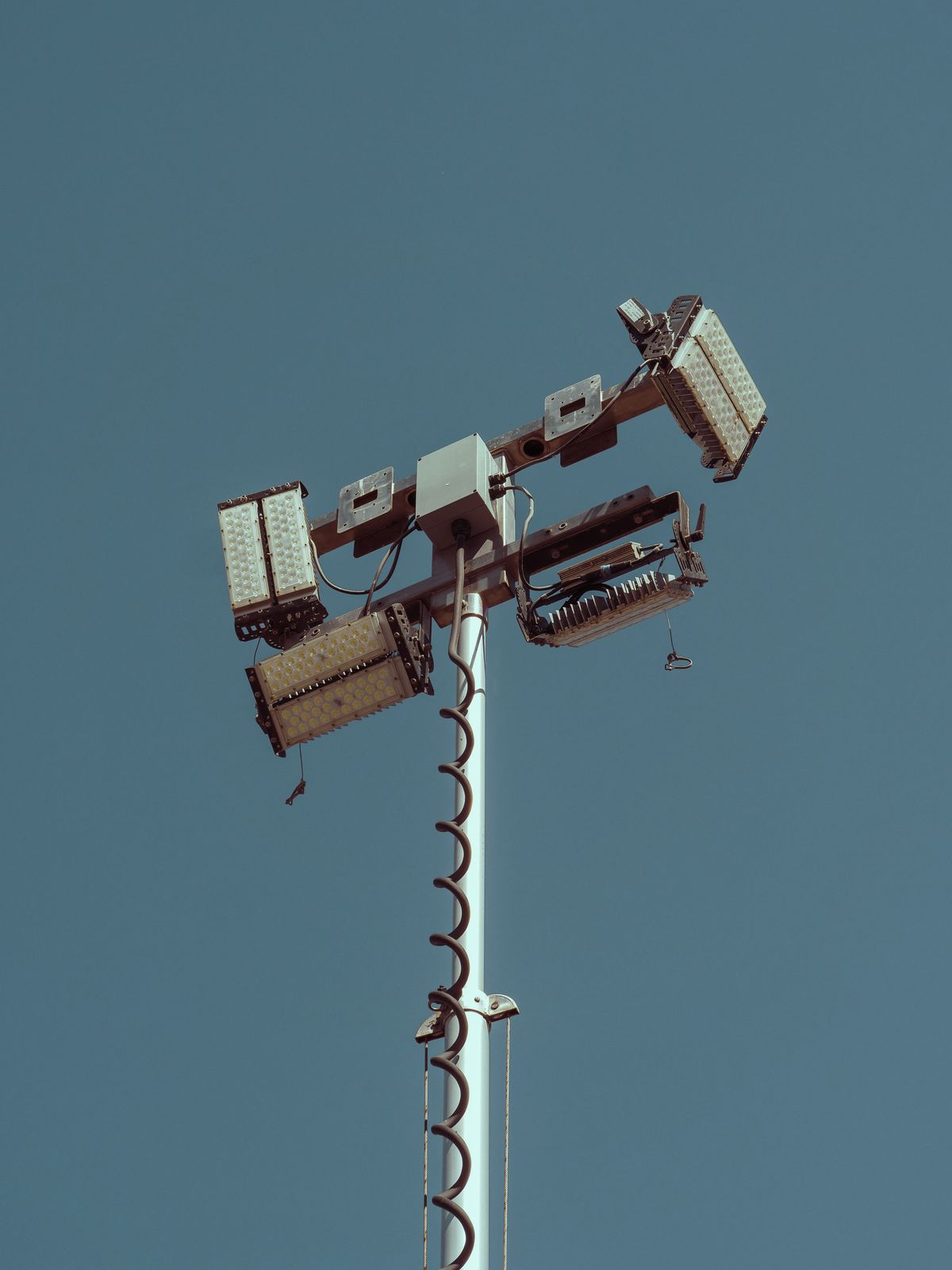
- Small cells on street furniture, buildings, and poles
- Complex zoning and permit requirements
Fiber Backhaul
Every 5G site needs fiber connectivity. This creates a dependency between the fiber rollout team and the RF team.
Project Management Challenges
1. Site Acquisition Pipeline
Acquiring sites is the #1 bottleneck. A typical pipeline:
| Stage | Target | Actual |
|---|---|---|
| Candidates identified | 500 | 500 |
| Landlord negotiations | 450 | 380 |
| Permits submitted | 400 | 310 |
| Permits approved | 350 | 240 |
| Sites ready for construction | 300 | 180 |
The drop-off at each stage means you need 2.5x more candidates than your target.
2. Vendor Coordination
Multiple vendors work simultaneously:
- Civil works contractor
- Fiber installation team
- RF equipment vendor
- Power supplier
A delay in any one cascades to all others.
3. RF Planning Changes
RF planning is iterative. Sites get reprioritized based on coverage analysis, meaning your construction schedule changes weekly.
Risk Management Strategies
Buffer Sites
Always maintain a 20% buffer of ready-to-build sites. When one site is delayed, swap in a buffer site.
Parallel Tracks
Run site acquisition, permitting, and construction in parallel waves rather than sequentially.
Daily Stand-ups
With hundreds of sites in progress, daily 15-minute stand-ups with team leads are essential.
KPI Tracking
- Site readiness rate — % of sites ready for construction
- Construction cycle time — days from start to on-air
- Permit approval rate — % of permits approved on first submission
- Fiber connection rate — % of sites with fiber ready
Technology Enablement
GIS-Based Tracking
Use GIS dashboards to visualize site status geographically. This helps identify clusters of delays and optimize crew routing.
Automated Permit Tracking
Track permit submission dates, expected approval dates, and escalations automatically.
Mobile Inspection App
Field teams use mobile apps to complete site readiness checks, upload photos, and update status in real-time.
Conclusion
5G rollout success comes down to three things: pipeline management, vendor coordination, and risk mitigation. Build a robust site acquisition pipeline, coordinate vendors through daily communication, and always have buffer sites ready. The technology is proven — the challenge is execution.