Introduction
A Building Management System (BMS), also known as a Building Automation System (BAS), is a computer-based control system installed in buildings to monitor and manage mechanical, electrical, and electromechanical systems. A BMS is the brain of a modern building, ensuring comfort, safety, and energy efficiency.
Core Components
Hardware
- Sensors: Temperature, humidity, CO2, occupancy, light level sensors
- Controllers: DDC (Direct Digital Controllers) that process sensor data and send commands
- Actuators: Valves, dampers, relays that execute control commands
- User Interface: Touch panels, web dashboards, mobile apps
Software
- Monitoring: Real-time display of all building systems
- Control Logic: Programmable sequences of operation
- Alarms: Alert management for faults and threshold breaches
- Reporting: Energy consumption, system performance, maintenance logs
- Integration: BACnet, Modbus, OPC UA protocols for interoperability
Systems Managed by BMS
HVAC (Heating, Ventilation, Air Conditioning)
- Temperature and humidity control
- Air quality management
- Energy optimization through scheduling and setbacks
- Chiller and boiler plant management
Lighting Control
- Scheduled on/off control
- Daylight harvesting
- Occupancy-based control
- Scene setting for different areas
Security and Access
- Door access control integration
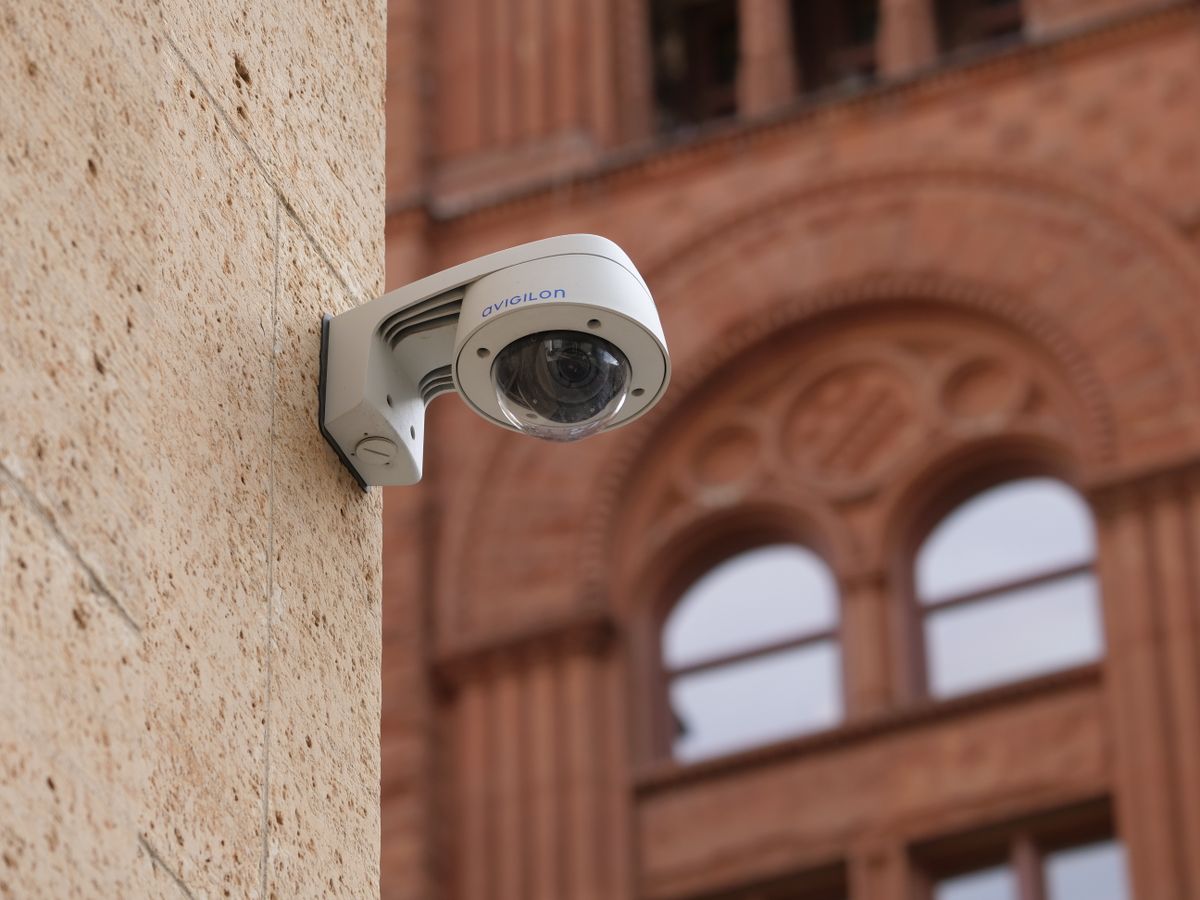
- CCTV system monitoring
- Intrusion detection alarms
- Visitor management
Fire and Life Safety
- Fire alarm system monitoring
- Smoke extraction control
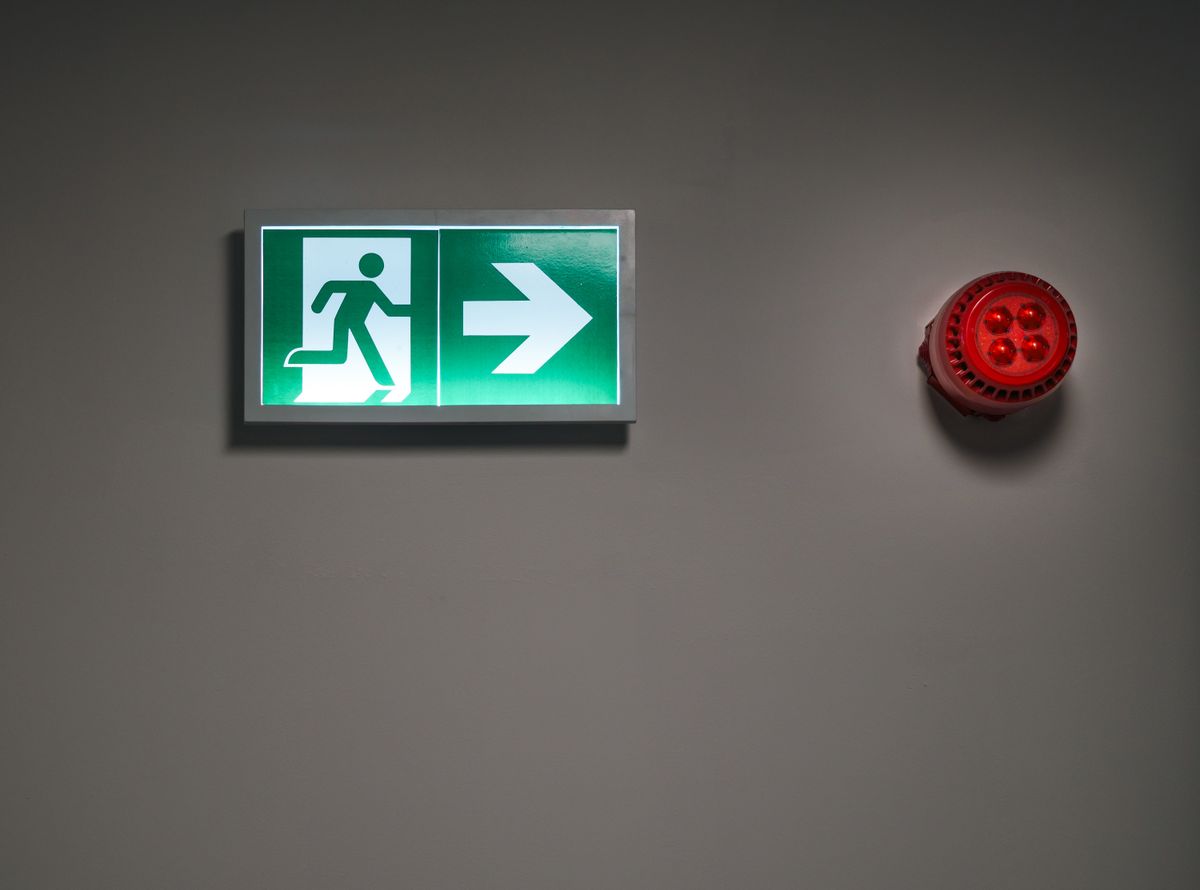
- Emergency lighting activation
- Elevator recall on alarm
Energy Management
- Real-time energy monitoring
- Demand response participation
- Utility cost allocation
- Power factor correction
Benefits of a BMS
- Energy Savings: 15-30% reduction in energy consumption
- Improved Comfort: Consistent temperature and air quality
- Reduced Maintenance: Predictive maintenance through data analytics
- Centralized Control: Single interface for all building systems
- Compliance: Meeting green building and sustainability standards
- Tenant Satisfaction: Better comfort and faster issue resolution
BMS Architecture
Most modern BMS use a three-tier architecture:
- Management Level: Supervisory software, dashboards, reporting
- Automation Level: DDC controllers running control loops
- Field Level: Sensors and actuators connected via field buses
Implementation Considerations
- Assess building size and complexity
- Select compatible protocols (BACnet recommended)
- Plan for future expansion and IoT integration
- Ensure cybersecurity measures are in place
- Train facility staff on system operation
- Establish service contracts with qualified vendors
Conclusion
A Building Management System is an essential investment for any modern commercial or institutional building. By integrating control of HVAC, lighting, security, and energy management into a single platform, a BMS delivers significant operational savings, improved occupant comfort, and enhanced sustainability.
← Previous Article
Managing Virtual and Remote Project Teams: A Complete Guide
Next Article →
BMS HVAC Control and Energy Optimization Strategies