Introduction
Regular maintenance and testing of fire alarm systems are not just regulatory requirements—they are life safety imperatives. A fire alarm system that is not properly maintained may fail when needed most. This article covers essential maintenance and testing procedures per NFPA 72.
Regulatory Requirements
NFPA 72 Testing Schedule
- Visual inspection (weekly): Control panel status, trouble signals
- Battery inspection (monthly): Visual check of batteries and connections
- Device testing (semi-annually): Smoke detectors, heat detectors, pull stations
- Full system test (annually): All devices, notification appliances, interfaces
- Sensitivity testing (every 2 years): Smoke detector calibration verification
Documentation Requirements
- Test reports with date, device, result, and technician
- Records retained for minimum 1 year (local codes may require longer)
- Record of all deficiencies and corrective actions
- Updated record of completion for any system changes
Preventive Maintenance Procedures
Control Panel
- Check for trouble or supervisory signals daily
- Verify AC power indicator is on
- Check battery voltage and charging current monthly
- Clean panel exterior and ensure ventilation
- Verify all zone/annunciator labels are legible
Smoke Detectors
- Vacuum or blow compressed air to remove dust
- Test with aerosol smoke test agent
- Verify response time within acceptable limits
- Replace detectors exceeding 10-15 years of service
- Document sensitivity readings
Heat Detectors
- Test with heat source (hair dryer or test lamp)
- Verify activation at rated temperature
- Check for physical damage or contamination
- Ensure mounting is secure
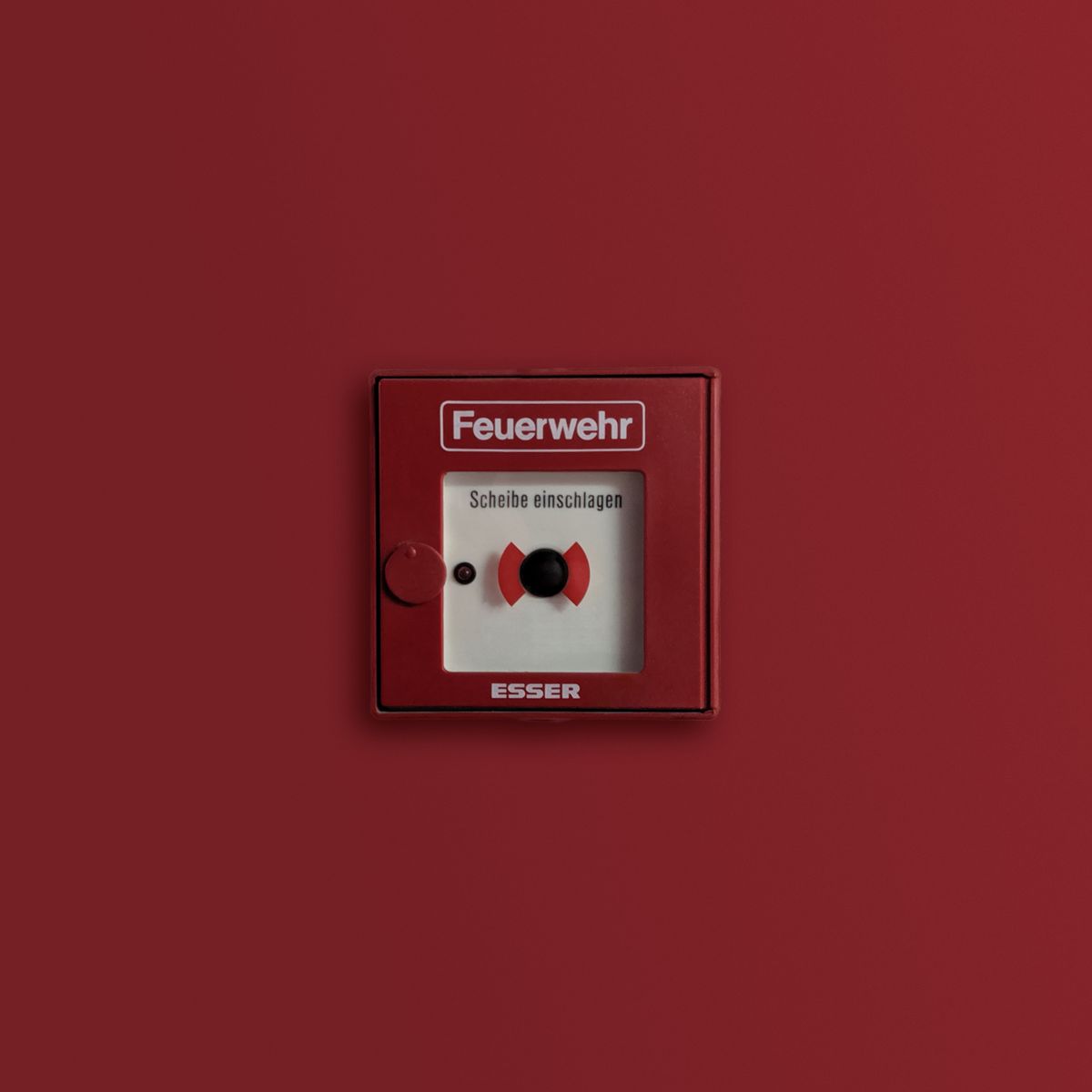
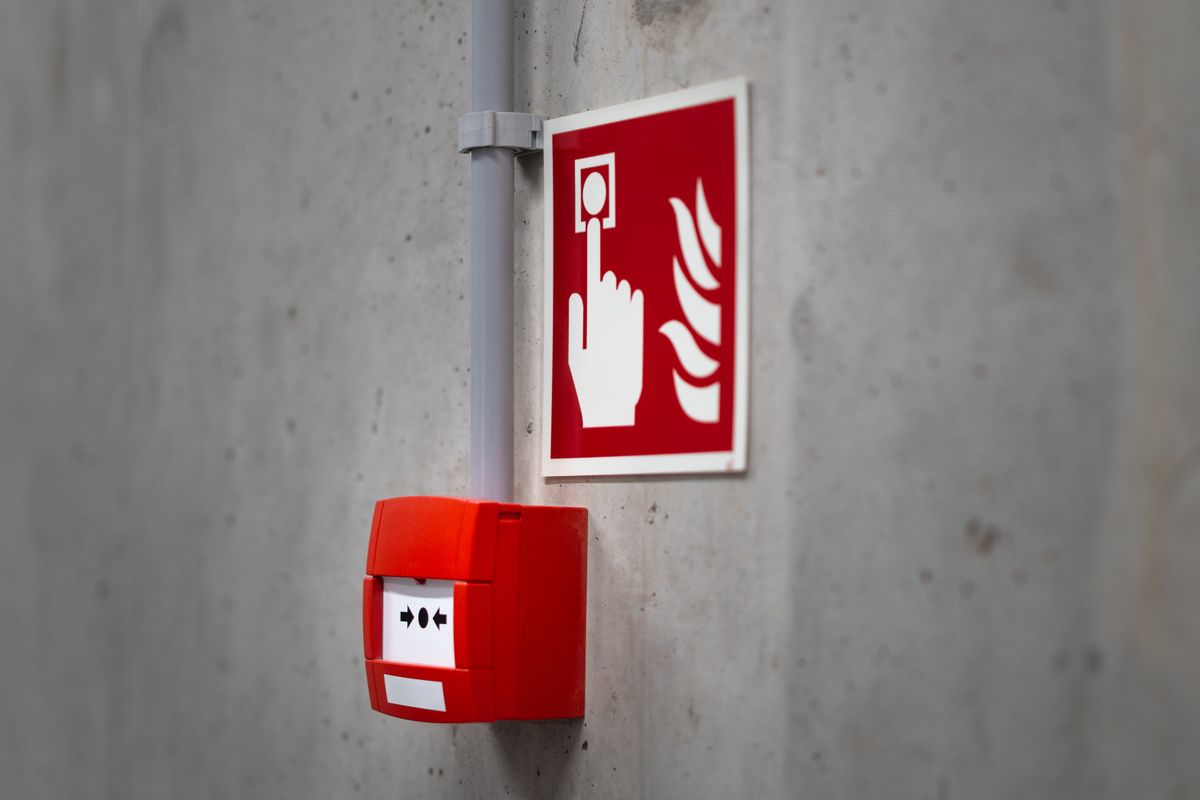
Manual Pull Stations
- Test each station on rotating schedule
- Verify activation triggers alarm
- Check for tampering or damage
- Ensure reset key is available and functional
- Test protective covers if installed
Notification Appliances
- Measure sound pressure levels at designated points
- Verify strobe flash rate and intensity
- Check for damaged or non-functional devices
- Test both primary and secondary power operation
Common Deficiencies
- Low battery voltage: Replace batteries not holding charge
- Dirty smoke detectors: Clean or replace as needed
- Faulty wiring connections: Tighten or replace corroded terminals
- Ground faults: Locate and repair insulation breakdown
- Non-functional devices: Replace defective devices promptly
- Outdated firmware: Update per manufacturer recommendations
Testing Best Practices
- Notify building occupants before testing
- Notify monitoring station before testing
- Use calibrated test equipment
- Test one zone at a time
- Verify system returns to normal after each test
- Immediately document any deficiencies found
Service Provider Qualifications
- NICET certification for technicians (minimum Level II)
- Manufacturer training on specific system models
- State or local fire alarm license as required
- Familiarity with applicable codes and standards
- Insurance and bonding appropriate for the work
Conclusion
Fire alarm maintenance and testing are critical responsibilities that directly impact life safety. By following NFPA 72 schedules, maintaining detailed records, and addressing deficiencies promptly, building owners ensure their fire alarm systems are ready when emergencies strike.
← Previous Article
Fire Alarm System Design and Installation Best Practices
Next Article →
Addressable vs Conventional Fire Alarm Systems: Choosing the Right Type