Introduction
Fire alarm systems are critical life safety systems designed to detect and alert occupants to fire emergencies. Understanding their components, types, and operation is essential for facility managers, engineers, and safety professionals.
Core Components
Initiation Devices
- Smoke detectors: Ionization and photoelectric types
- Heat detectors: Fixed temperature and rate-of-rise
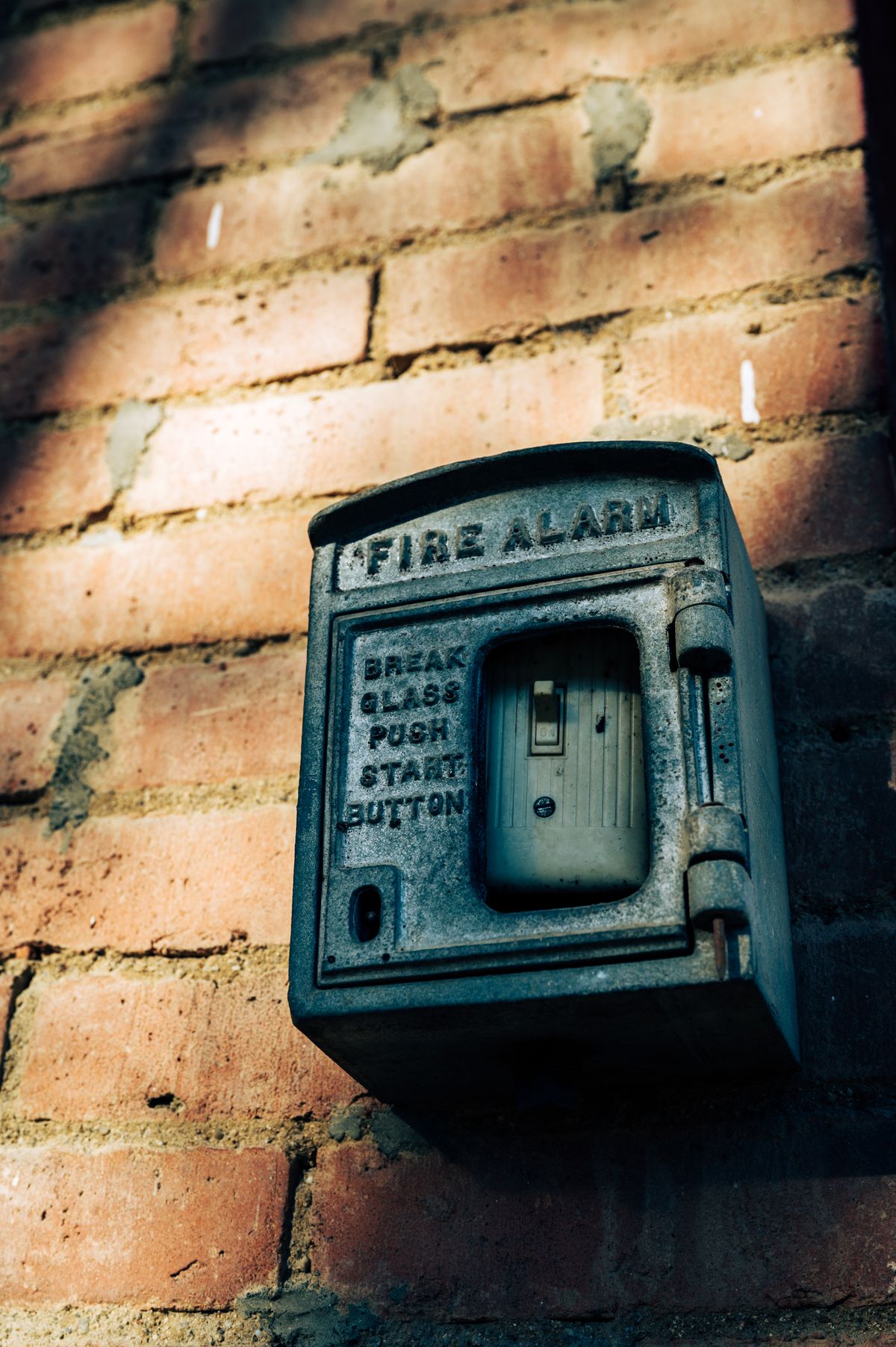
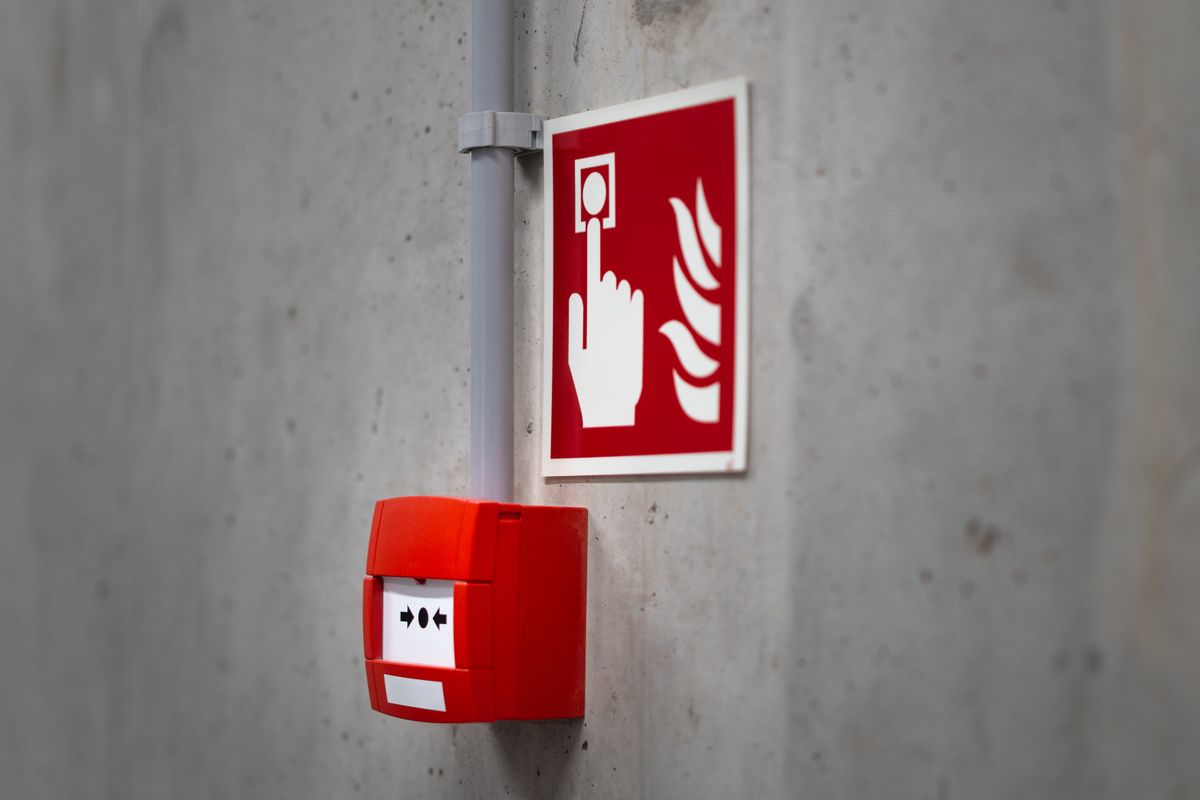
- Manual pull stations: Manual activation by occupants
- Sprinkler waterflow switches: Activate when sprinklers discharge
- Duct detectors: Monitor HVAC ductwork for smoke
Notification Appliances
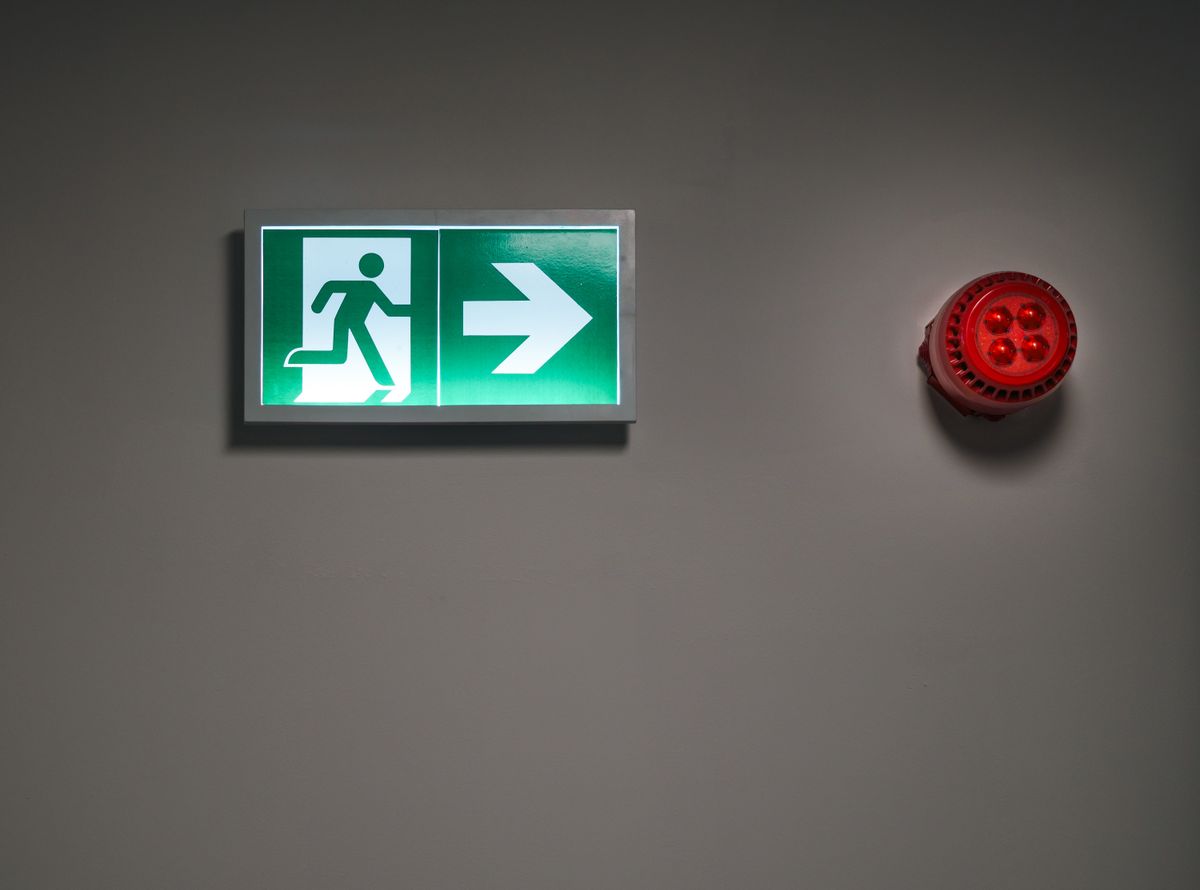
- Horns and sirens: Audible alerts
- Strobe lights: Visual alerts for hearing-impaired
- Voice evacuation: Clear spoken instructions
- Combination devices: Sound and light in one unit
Control Panel
- Processes signals from initiation devices
- Activates notification appliances
- Interfaces with building systems (elevator recall, HVAC shutdown, door release)
- Communicates with monitoring station
- Provides system status and diagnostics
System Types
Conventional Systems
- Zones identify general area of alarm
- Cost-effective for small buildings
- Limited diagnostic information
Addressable Systems
- Each device has unique address
- Precise location identification
- Advanced diagnostics and maintenance alerts
- Preferred for medium to large buildings
Hybrid Systems
- Combine conventional and addressable features
- Useful for buildings with mixed requirements
NFPA 72 Standards
NFPA 72 is the National Fire Alarm and Signaling Code:
- Defines installation requirements
- Specifies testing and maintenance intervals
- Mandates monitoring by central station
- Requires documented inspection records
Testing and Maintenance
- Weekly: Visual inspection of control panel
- Monthly: Test manual pull stations (rotating schedule)
- Semi-annually: Test smoke and heat detectors
- Annually: Full system test and inspection
- Every 5 years: Sensor sensitivity testing
Integration with Building Systems
- Elevator recall: Send elevators to designated floor
- HVAC shutdown: Stop air movement to prevent smoke spread
- Door release: Unlock fire doors and exit doors
- Fire suppression: Activate sprinkler and gas systems
- Mass notification: Integrate with emergency communication
Conclusion
Fire alarm systems are essential life safety infrastructure. Understanding components, system types, and maintenance requirements ensures reliable operation when emergencies occur. Compliance with NFPA 72 and regular testing are non-negotiable responsibilities for building owners and facility managers.
← Previous Article
PACS Project Implementation and Deployment: A PM Guide
Next Article →
Fire Alarm System Design and Installation Best Practices